Travelling? Who Takes Care of Your Cat?
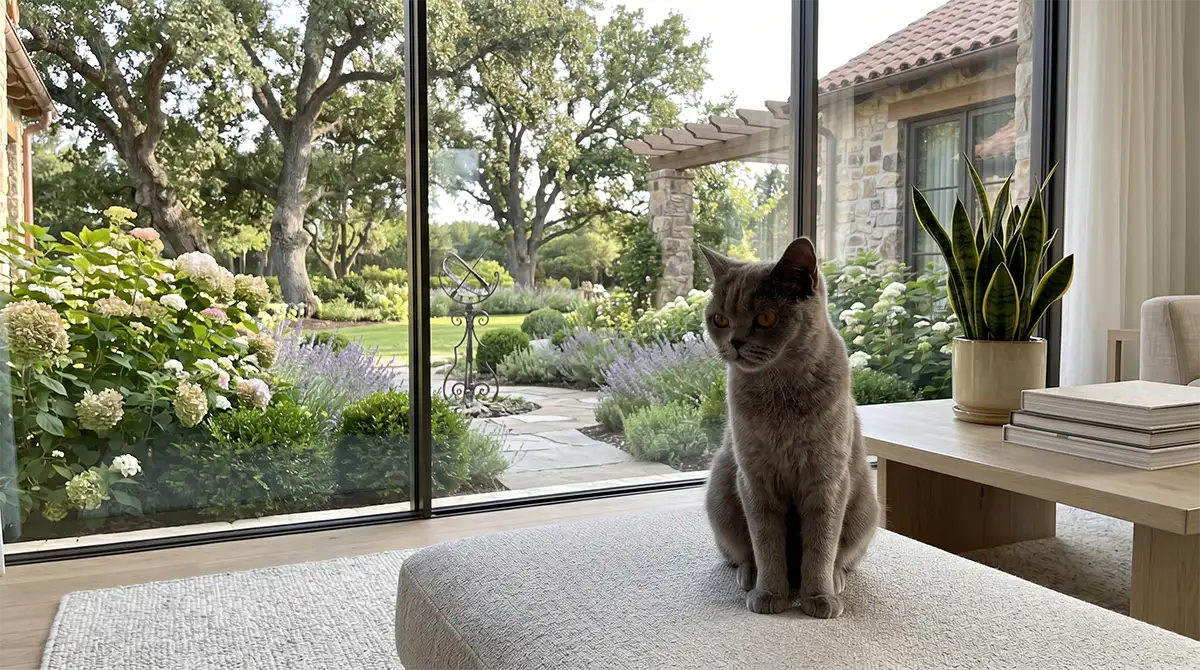
This happened while I was working in the UK after graduation, before Bella and I returned to China in 2026.
England policy checked 14 October 2026. I do not know whether the caregiver had a local-authority cat-boarding licence. My account of Bella’s stay cannot establish that the arrangement met current licensing standards.
I had been raising my British Shorthair Bella for a while.
This was the first time I had ever been apart from her for more than three days.
I got my Schengen visa back in April.
On a whim, I booked a last-minute flight to Paris.
I started packing my suitcase. Then a huge worry hit me.
I was leaving the country for a whole week. What was I going to do with Bella?
Option 1: Leave Her Home Alone
My first thought was simple. Could I just leave her alone?
I had thought of Bella as independent. That did not mean she could safely go without daily care.
On a normal day, I can head out for eight hours. Bella will curl up on the balcony. Napping in the sun. She never makes a mess.
All my cat-owning friends said the same thing.
Their suggestion was to leave extra food and water and use a camera. I now know that a camera cannot refill a spilled bowl, assess illness or replace a person’s visits.
I almost went for it.
I even went to the supermarket. Bought a big bag of kibble. Planned to portion it out for the week.
But the more I thought about it, the more hesitant I became.
I recalled a scary incident from last year.
I left Bella alone for just two days back then. She knocked over her entire water bowl.
A neighbour stopped by to collect a parcel. She refilled the water in time. Otherwise, the outcome could have been terrible.
Even that two-day arrangement was not safe just because someone happened to intervene. A week needed planned, in-person care.
Even if an automatic feeder never broke, who was going to clean her litter box? Halfway through the week, it would smell terrible.
What if she knocked over a small object? Got stuck? Got injured?
I would be hundreds of miles away in Paris. Unable to rush her to a vet.
I knew I would spend my entire holiday glued to my phone. Refreshing the camera feed nonstop. That is no way to relax.
Option 2: Take Her to France With Me
I looked up cross-border pet travel rules in Europe and found the paperwork daunting. For current trips from Great Britain into the EU, check GOV.UK’s AHC requirements; these differ from the China EHC.
Bella is a timid, shy cat by nature.
Airlines apply breed-specific restrictions because of respiratory risks. Bella’s fitness to fly and acceptance would need a vet’s assessment and the operating airline’s confirmation; a breed label alone is not clearance.
I worried the long journey would stress her out.
She might stop eating and drinking. From anxiety.
I would spend my whole Paris trip comforting a sick cat. Instead of enjoying my holiday.
Not worth the risk.
Option 3: Ask a Friend to Drop By
Most of my friends in London were travelling themselves. Or they lived over an hour away from my flat.
Asking them to commute every single day? To feed Bella and clean up after her?
That felt selfish.
Even if a friend agreed to help, I would feel guilty. Pestering them for daily favours.
The stress of owing someone a huge favour felt worse than paying for professional care.
Option 4: Professional Cat Boarding
I compared catteries with a caregiver’s home at the time. Those labels alone do not tell you whether a service is licensed or suitable.
Boarding Catteries
My old notes mentioned £15–£30 per day, but I cannot date or verify those quotes; they are not a current tariff.
A licensed cattery should provide suitable individual accommodation, enrichment and protection from excessive noise—not simply a small cage.
Under England’s cat-boarding guidance, business boarding needs the appropriate local-authority licence; cats from different households must not share a unit, and communal exercise areas are not permitted.
Inspect the actual facilities and check the licence for that address rather than assuming all kennels are noisy or unsuitable.
Staying at a Caregiver’s Home
This is different from a sitter visiting the cat in its own home. A commercial cat-boarding service in England must meet cattery standards, including when based at a domestic address. Local-authority guidance makes clear that ordinary home boarding is not an alternative to suitable cat units.
I should not have described free mixing with resident cats as inherently calmer or as a compliant boarding model.
I asked for recommendations in a local Chinese pet owner group.
Someone highly recommended a cat sitter in South London.
She only boards cats. No dogs.
She also has a gentle 10-year-old male British Shorthair of her own.
I recall a quote of £18 per day. I cannot check the date or terms now, so I would ask for a fresh written quote today.
The price covered cat food. Daily litter cleaning. Regular photo and video updates.
I messaged her on WhatsApp. Booked a home visit for the weekend. To check the place in person.
Visiting the Cat Sitter
Her home was a lovely detached house. Big private garden.
She had dedicated several separate rooms for boarding cats.
Every cat had its own play and resting area. Cat trees. Cosy beds. Scratching posts.
She told me she allowed interaction if cats got along. I am preserving that recollection, but it is not advice: the current boarding guidance does not allow different households’ cats to share accommodation or communal exercise areas.
Shyer cats stay in their private spaces. No pressure to socialise.
Bella adapted instantly.
She explored the rooms for barely ten minutes.
Then she jumped onto the windowsill. Curled up in the sunlight.
The second I saw how relaxed she was, my worries faded.
Dropping Bella Off
I dropped Bella off the day before my Paris trip.
I brought her familiar bed. Her usual brand of kibble.
I also brought an unwashed hoodie I had worn for weeks.
I hoped the familiar scent would help her settle; it was not a guarantee.
The sitter went through every detail with me.
She checked Bella’s daily eating routine. Any food allergies. Vaccine expiry dates.
She also asked for my vet’s direct contact information.
So she could get emergency treatment immediately. If any health issues popped up while I was away.
During My Trip
I remember receiving photos and videos during the trip. They reassured me at the time, but they are not included here as evidence of the facilities or licence.
Day one: She was quiet. Reserved.
Day two: She was sunbathing next to the sitter’s senior Blue Shorthair.
Day three: She climbed the garden fence. Watched the birds outside.
Those remembered scenes, including contact with the resident cat, do not demonstrate secure, compliant boarding. I do not have records of the enclosure or licence, and would not recommend repeating the setup on the strength of these photos.
The sitter said Bella was very well-behaved.
She kept a regular eating and sleeping schedule. No fuss.
Every morning, she gently nudged the sitter’s hand. Asking for pets.
I roamed the Louvre. Ate buttery croissants. With complete peace of mind.
I did not stress. Did not constantly check my phone.
It was the most relaxed holiday I had had in ages.
Picking Bella Up
I went to pick her up a week later.
She froze for two seconds when she saw me walk through the door.
Then she sprinted over. Rubbed hard against my legs. Purred loudly.
After we got home, I did not notice obvious changes in her behaviour.
She ate normally. Slept well. Acted like her usual self.
It was as if she had just come back from a little vacation at a friend’s house.
What I Learned
That experience of raising Bella abroad helped me form a clear opinion.
Bella’s stay seemed to go smoothly, but one experience cannot show that British Shorthairs are ideal for every expat.
Quiet cats still need attentive care.
No breed is guaranteed to be undemanding or unlikely to get sick.
But no matter how independent your cat is, they still need a safe place to stay when you travel.
Never leave them to fend for themselves for days.
My Practical Takeaways
Short trips
Arrange reliable in-person care. Cats Protection recommends at least two visits daily while you are away, with more for cats whose age or health requires it.
Longer trips
Choose suitable care in the cat’s own home or a licensed cattery, with a backup plan.
The right choice depends on the individual cat. A three-day cutoff does not make once-daily visits sufficient or free-range home boarding safer.
No matter what you choose
Visit boarding premises in advance and check the licence and address with the relevant local council. For visits in your own home, check references, insurance and care arrangements; that activity is outside England’s cat-boarding licence scope.
Walk the caregiver through your cat’s daily habits. Quirks. Health needs.
Provide current vaccine records, written care and medication instructions, emergency contacts and treatment/payment authorisation. Ask the cattery about its vaccination and health requirements before booking.
Do not skip these small steps.
Final Thought
At the time, I was already thinking about another European trip.
I felt relieved to see Bella eating and behaving normally when I picked her up. If I arranged care again, I would check the licence, the accommodation, emergency contact plan and how updates would be provided before booking. That matters more than how reassuring one trip felt afterwards.