My Cat's 24 Hours: The Moments I Notice from Dawn to Night
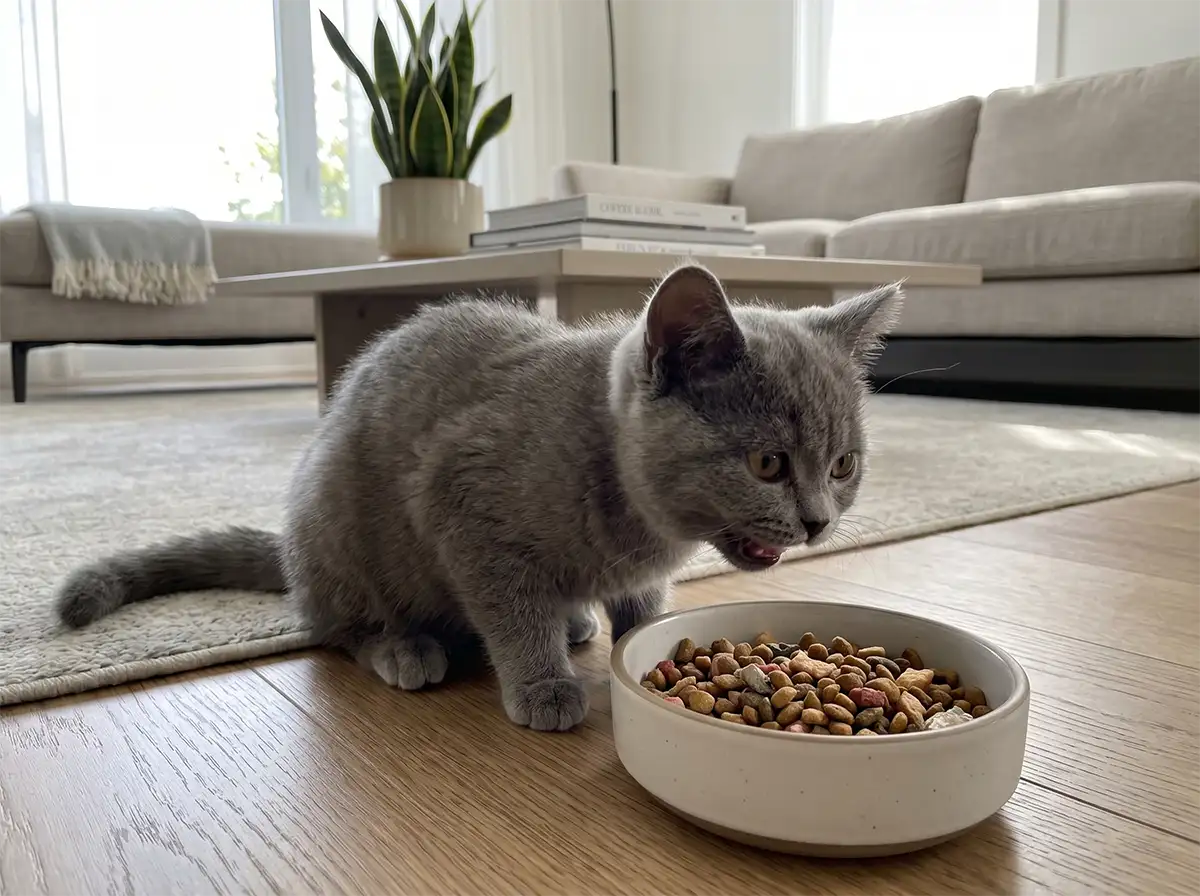
I used to wonder all the time: when I’m out at work, what on earth is Bella doing all alone at home?
Is she just lying on the windowsill, staring into space, or curled up on her cat tree, sleeping? Has she ever been up to something on the sly that I don’t know about?
I wanted to understand her day, from an early wake-up call to the hours when I was asleep. These are moments I remember from our London life, assembled into a day-shaped story. I did not record every hour or know what she did while I slept.
Here are the moments I remember. The clock times should be read as approximate, not as a measured schedule for other cats.
5:00 a.m. — Wake-Up Call
Bella jumped straight onto my chest. Not a gentle tap—she dropped her whole body on me.
It was still dark when I jolted awake. She nuzzled up to my face, her whiskers brushing against my skin, and let out a short meow. It wasn’t a good morning—it was a command.
I rolled over, trying to pull the blanket over my head, but she started tugging at the edge of it. When I ignored her, she gently nipped at my hair—it didn’t hurt, but it was just enough to keep me from going back to sleep.
I got up to check the food left from the night before; the bowl was still half full. I could not tell from that alone whether she wanted food, attention or something else.
Later, I decided to go to bed a little earlier. I set up an automatic feeder in the bedroom, programmed to dispense food at 5:15 a.m. Now, the first thing she does when she wakes up is look for the feeder, not come find me. My sleep has felt better. The feeder still needs checking and cleaning; it does not replace daily human care.
6:00 a.m. — Mock Hunting
After finishing her meal, Bella walked over to the living room window and sat down. A pigeon had just landed on the balcony railing.
Her eyes lit up instantly. She crouched low, wiggled her hips from side to side, then lunged suddenly toward the glass window—with a thud, the pigeon flew away, and she crashed into the glass.
She froze for a few seconds, then lowered her head and started licking her paws, pretending nothing had happened.
There’s now a suction-cup cat perch on the windowsill. Every morning, she lies there and stares out the window for a long time.
8:00 a.m. — First Long Nap
I brewed some coffee and sat down at my desk. Bella jumped to the top level of the cat tree, spun around three times, then curled up into a ball and fell asleep.
Her tail covered her nose, and she didn’t make a sound. She slept like that for nearly four hours.
At first, a long nap made me wonder whether she felt unwell. But sleep duration alone cannot tell me that. I pay more attention to changes from her usual behaviour, appetite and toileting than to a fixed number of hours.
12:00 p.m. — Wild Dash
I was in the middle of an online meeting—the client was on the other end of the line, and I was here.
A gray shadow suddenly darted across the room. Bella jumped down from the cat tree, dashed to the couch, leaped onto it, then sprinted into the kitchen, slipped on the hardwood floor, and bumped into a cabinet door. Then she turned around and did it all over again. She did this three times in a row.
The client paused on the phone: “Do you have… a dog over there?”
“No,” I said, “it’s a cat. Sorry about that.”
I later tried short, supervised teaser games before meetings. Sometimes she settled afterwards. I follow her interest and give her breaks rather than trying to tire her out for a guaranteed quiet call, then put the teaser out of reach.
2:00 p.m. — Sleeping in the Sun
A patch of sunlight appeared on the living room floor. Bella woke up, stretched—front paws extended forward, hindquarters arched high, stretching her body into a long line—then walked over, lay on her side in that patch of light, belly up, eyes half-closed.
As the sun slowly moved, she shifted her position along with it. She stayed there for about two hours.
I moved her cushion to a spot where it would catch the afternoon sun. From then on, that became her regular spot.
5:00 p.m. — Standing Guard
Bella sat by the door, facing the entrance, with her ears turned toward the hallway. I opened the door to take a look, but there was nothing outside. She remained seated there, showing no sign of leaving.
I associated this with the neighbour going out to walk their dog around that time. Perhaps she noticed sounds in the hallway; I cannot know exactly what she heard or remembered.
I tried calling her over with treats, but it didn’t work. As soon as I closed the bedroom door, she’d sit by the doorway and wait. Eventually, I just left her be.
8:00 p.m. — Dinner
I opened a can of cat food. One moment she was still on the cat tree; the next, she was standing right by my feet.
She ate quickly, the sound of her chewing clear as day. On some evenings she left a few pieces in the bowl.
At first, I’d add a little more, thinking she wasn’t full. But she never went back to eat the leftovers. Eventually, I stopped adding more.
10:00 p.m. — The Pillow Battle
I changed into my pajamas, and Bella followed me into the bedroom. She jumped onto the bed, paced around on the comforter a few times, then settled down—sitting right in the exact center of my pillow.
I’d nudge her aside, and she’d sit right back down. This went on several times. I placed another pillow next to her, but she didn’t even glance at it—she’d only have that one.
Eventually, I stopped fighting with her over it. I slept on the edge of the bed and left the middle spot for her.
12:00 a.m. — The Stare
Once, when I woke for water, Bella was beside the glass on my nightstand. I blinked at her; she blinked back and settled elsewhere. I remember the surprise more than the hour. I wrote more about this kind of stare in my six-behaviour diary.
3:00 a.m. — The Second Wild Dash
The sound of scratching in the litter box woke me up. Bella was in the litter box, making a huge racket.
Then she started running again. She was sprinting back and forth between the bed and the living room at top speed.
I ignored her. After about ten minutes, the noise stopped, and I heard her drinking water. Then she jumped onto the bed and curled up at my feet—a little bundle of warmth.
I fell asleep.
The Day Unfolds
What I notice most is the alternation: a long rest, a short burst of play, a window watch, another rest. The door-watching and leftover food are memories, not events I can claim happened every day. Bella still needs daily care, play and safe places to explore even on quiet days.
A Reference Chart for New Cat Owners
If you’re also curious about what your cat does during the day, try keeping track for a day. You don’t necessarily have to write it down in a notebook, but if you take a close look, you’ll discover things you hadn’t noticed before.
Here is a quick guide to the moments above. They are recollections from different days, with gaps when I was not observing her—not a measured 24-hour record:
| Time | What She’s Doing |
|---|---|
| 5:00 a.m. | Wakes me up |
| 6:00 a.m. | Watches birds by the window |
| 8:00 a.m.–12:00 p.m. | Sleeps |
| 12:00 p.m. | Runs around |
| Around 2:00 p.m. | Naps in the sun; I recall roughly two hours |
| Around 5:00 p.m. | Sitting by the door |
| 8:00 p.m. | Eating |
| 10:00 p.m. | Snatching the pillow |
| 12:00 a.m. | Sitting next to me, watching me |
| 3:00 a.m. | Scratching the litter box, zoomies, then back to sleep |
Basic reminder: A familiar nap is different from a change in your cat’s usual behaviour. A quiet cat is not necessarily a comfortable or healthy cat.
Contact a vet promptly about reduced appetite, unusual hiding, lethargy, pain or changes in drinking or toileting. Do not wait for them to persist for 24 hours. Difficulty breathing, collapse, or repeated straining with little or no urine calls for immediate veterinary help. Cats Protection’s first-aid guidance explains these urgent warning signs.